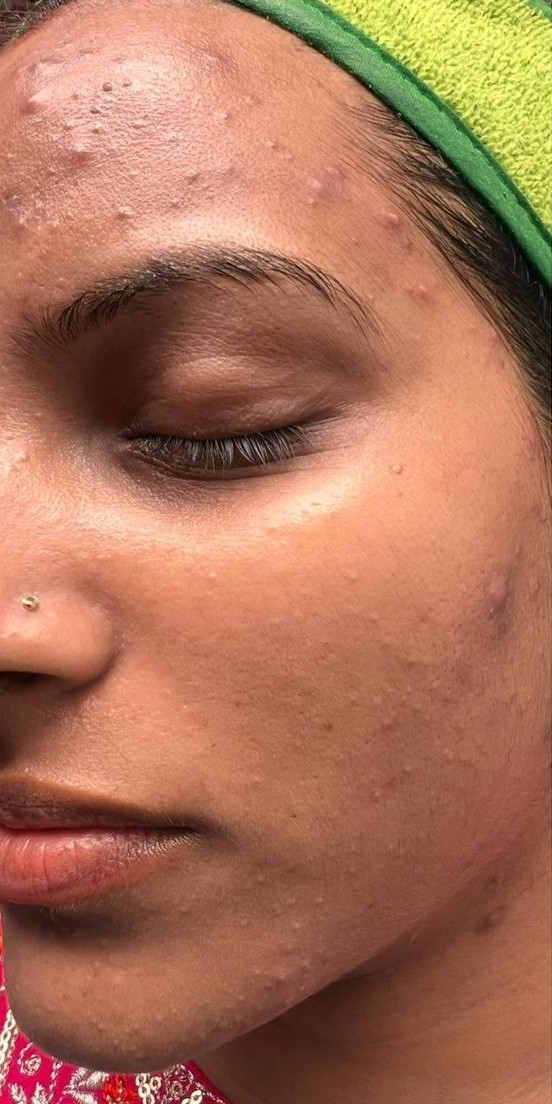
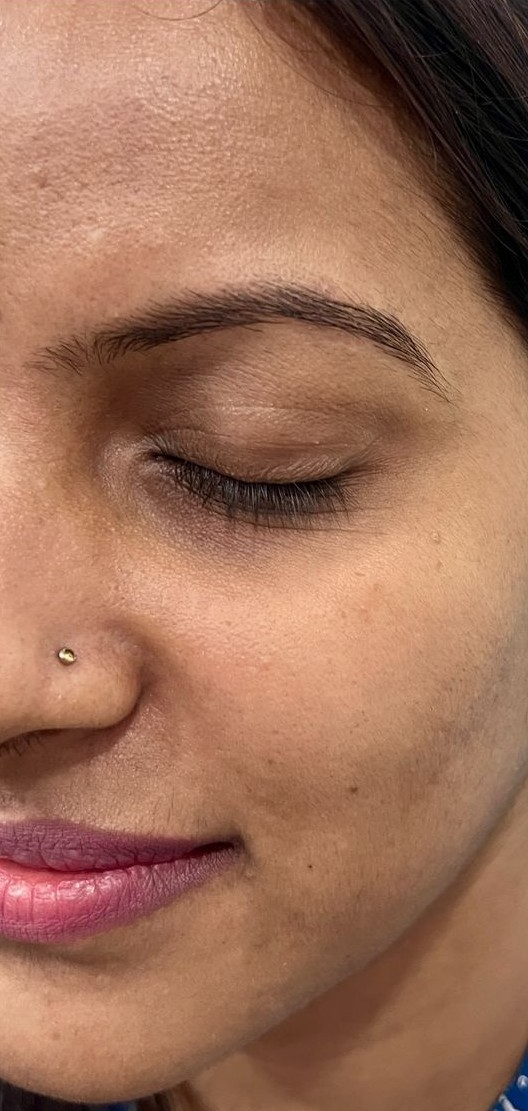
Acne Scars: Types, Causes & the Best Treatments for Clearer Skin
Acne scars are one of the most frustrating reminders of past breakouts. For many people, clearing the acne was only half the battle—the scars that remain affect confidence and often feel permanent. The good news: modern treatment can significantly reduce or eliminate most acne scars. But early intervention and professional expertise make all the difference.
At Cherish Derma Clinic in Pune, Dr. Sneehal specialises in acne scar treatment and uses evidence-based approaches to reduce scarring. Whether you're dealing with active acne (to prevent scarring) or established scars (to improve appearance), professional intervention creates real results. This guide explains scar types, why scars develop, and the most effective treatment options available.
What Are Acne Scars and Why Do They Form?
Acne scars develop when severe acne (inflamed cysts and nodules) causes deep skin damage. As skin heals, the body produces collagen to repair the damage. If too little collagen is produced, the skin appears depressed or pitted (atrophic scars). If too much collagen is produced, raised scars form (hypertrophic scars).
The deeper and more inflamed the acne, the greater the risk of scarring. This is why treating active acne promptly under professional guidance prevents permanent scars from forming in the first place.
Types of Acne Scars: Which Type Do You Have?
Atrophic (Depressed) Scars
Most common acne scar type. These scars sit below the skin surface, creating a pitted or cratered appearance. Three subtypes:
Boxcar scars: Broader depressions with defined edges, resembling small pox scars.
Rolling scars: Wave-like undulation across skin surface, often the mildest appearance.
Hypertrophic (Raised) Scars
Raised or thick scars, common on the chest and back. Caused by excess collagen production. While less common than atrophic scars on the face, they're still treatable.
Post-Inflammatory Erythema (Red Marks)
Red or pink marks left after acne heals. Technically not true scars—they're inflammation marks that often fade over months. However, Dr. Sneehal can accelerate fading with treatment.
Why Professional Treatment Matters
Scars Don't Fade on Their Own (Usually)
Many people wait years expecting scars to fade naturally. While some improvement occurs, atrophic scars rarely disappear without treatment. Waiting wastes time—professional intervention produces visible improvement within weeks.
OTC Products Can't Address Structural Damage
Over-the-counter scar creams address surface-level concerns but cannot rebuild skin structure or stimulate collagen remodelling. Atrophic scars are structural damage requiring professional treatment to improve.
Dr. Sneehal Assesses Scar Type and Customises Treatment
Different scar types respond to different treatments. Boxcar scars, icepick scars, and rolling scars may require different approaches. Dr. Sneehal assesses your skin and recommends a personalised plan using suitable treatments available at Cherish Derma Clinic.
Acne Scar Treatment Options at Cherish Derma Clinic
Microneedling (Collagen Induction Therapy)
Dr. Sneehal uses controlled microneedling to create micro-injuries, triggering the body's natural collagen production. Over multiple sessions, new collagen rebuilds the skin structure beneath scars, elevating depressed scars. Results improve gradually over 3–6 sessions spaced 4–6 weeks apart. Effective for all atrophic scar types.
Laser Treatment
Dr. Sneehal uses advanced lasers (fractional CO2 laser, Er:YAG laser) to remove scar tissue layer by layer while stimulating collagen production. Lasers are particularly effective for rolling and boxcar scars. Results visible after 1–3 sessions. More aggressive than microneedling but produces faster results.
Chemical Peels
Dr. Sneehal uses medium to deep chemical peels to exfoliate scarred skin and stimulate collagen remodelling. Peels work best for mild atrophic scars and red marks. Series of 3–6 peels typically recommended.
Personalised Treatment Plan
Depending on the type and depth of your scars, Dr. Sneehal may recommend an appropriate treatment or a carefully planned combination of microneedling, laser treatment, and chemical peels. The right approach depends on your skin, scar pattern, and clinical assessment.
Treatment room at Cherish Derma Clinic, Pune
Treatment Expectations and Realistic Outcomes
How Much Improvement Can I Expect?
Results vary by scar type and treatment method:
Boxcar and rolling scars: 50–70% improvement common with laser or microneedling.
Icepick scars: 30–50% improvement; these deep scars respond more slowly.
A personalised treatment plan: Improvement varies according to scar type, severity, skin response, and the treatments recommended.
Before
After
Acne treatment results at Cherish Derma Clinic, Pune
How Long Until I See Results?
Microneedling: Improvement develops gradually over several weeks and may build across multiple sessions. Laser and chemical peels have different recovery periods and timelines depending on the treatment selected.
How Many Sessions Are Needed?
Most scars require 4–8 sessions (microneedling or laser) spaced 4–6 weeks apart. Severe scarring may require more. Dr. Sneehal assesses progress at each session and adjusts the plan.
Will Scars Come Back?
No. Once scars improve with professional treatment, they don't reappear. However, new acne can create new scars, so managing active acne is essential. This is why treating acne early with Dr. Sneehal prevents scarring before it starts.
Acne Scarring Prevention: Treat Active Acne Early
The best treatment for acne scars is prevention. If you have active acne, seeking professional treatment immediately significantly reduces scarring risk. Here's why:
Mild acne rarely scars; only severe acne (cysts, nodules, deep inflammation) leaves permanent marks.
Dr. Sneehal treats acne at the source, reducing inflammation before it causes deep skin damage.
Early treatment prevents severe acne that would otherwise leave deep scars.
Professional acne treatment costs less and takes less time than treating established scars.
If you currently have active acne, book with Dr. Sneehal now. Waiting increases scarring risk exponentially.
Aftercare and What to Expect Post-Treatment
Avoid sun exposure for 48 hours after treatment; use SPF 50+ for weeks following.
Skip intense exercise for 24–48 hours (sweating irritates treated skin).
Use gentle cleanser and moisturiser; avoid active ingredients (retinol, vitamin C, acids) for one week.
Avoid makeup for 24 hours after laser or peels (if skin is irritated).
Don't pick, scratch, or touch treated areas.
Follow Dr. Sneehal's specific aftercare instructions—they vary by treatment type.
Attend follow-up sessions as scheduled; consistency is key to results.
Frequently Asked Questions
Can severe acne scars be completely removed?
Complete removal depends on scar severity and depth. Most severe scars can be improved 50–80% with professional treatment, making them far less noticeable. Some residual texture may remain, but visible improvement is dramatic.
Is acne scar treatment painful?
Microneedling and laser produce mild discomfort (pricking or warm sensation) but not pain. Dr. Sneehal can apply numbing cream if needed. Most people tolerate treatment well.
How long is the recovery time?
Microneedling: Mild redness for 24–48 hours. Laser: Redness and slight swelling for 3–7 days. Peels: Light peeling for 3–5 days. Most can resume normal activities within 1–2 days.
Can I treat acne scars on darker skin?
Yes. Dr. Sneehal has expertise treating darker skin safely—certain laser wavelengths and peel concentrations are preferred for darker skin to minimise post-inflammatory hyperpigmentation. Always seek providers experienced with your skin tone.
What's the difference between microneedling and laser?
Both stimulate collagen and improve scars, but work differently. Microneedling creates controlled micro-injuries; laser removes scar tissue while stimulating collagen. Laser produces faster results but more downtime. Dr. Sneehal recommends the best option after assessing your scars.
How much does acne scar treatment cost?
Cost varies by treatment type and number of sessions needed. Contact Cherish Derma Clinic for pricing. Most people find the investment worthwhile given the dramatic improvement in appearance and confidence.
Don't Live with Acne Scars: Professional Treatment Works
Acne scars are treatable. Whether your scars are mild or severe, professional treatment at Cherish Derma Clinic produces real, measurable improvement. Dr. Sneehal has helped countless Pune patients transform their appearance and restore confidence.
If you're currently dealing with active acne, don't wait for scars to form—treat your acne now under Dr. Sneehal's guidance to prevent permanent damage. If you already have scars, professional treatment can significantly reduce their appearance.
Book a consultation with Dr. Sneehal at Cherish Derma Clinic in Pune. She'll assess your scars, explain treatment options, discuss realistic outcomes, and design a personalised plan to restore clearer, smoother skin. Improvement is possible—take the first step today.
Share this article
WRITTEN BY
Dr. SNEEHAL
Founder, Cherish Derma Clinic, Pune
Ready to Transform Your Skin?
Book a consultation with Dr. SNEEHAL to discuss personalized treatment options.