Chemical Peels for Skin: Benefits, Types, Results & Recovery Time
Chemical peels are one of the most effective skin treatments available for addressing pigmentation, acne scars, fine lines, texture issues, and overall skin quality. Many people fear chemical peels based on misconceptions—imagining aggressive burns, severe peeling, or extensive downtime. The reality: professional chemical peels performed by Dr. Sneehal at Cherish Derma Clinic are safe, controlled, and customisable, with results that far exceed at-home alternatives.
This guide explains what chemical peels are, how they work, the different types available, realistic results, recovery expectations, and why professional application matters. Whether you're dealing with acne scars, melasma, sun damage, or dull skin, you'll understand if a chemical peel is right for you and what to expect.
What Are Chemical Peels?
A chemical peel is a controlled application of chemical solutions to the skin's surface to remove the outermost layers. This exfoliation process triggers natural healing and collagen production, revealing fresher, smoother, clearer skin beneath.
Chemical peels range from gentle (superficial) to intense (deep), depending on the solution strength, concentration, and application time. Dr. Sneehal selects the appropriate peel depth based on your skin concerns, skin type, and goals.
How Chemical Peels Work: The Science
Chemical peels work through controlled injury to the skin, stimulating the body's natural healing response. The chemical solution disrupts the skin's top layers, causing them to peel away. This process:
Removes sun-damaged, pigmented, or scarred outer skin layers
Triggers collagen and elastin production for improved skin thickness and elasticity
Accelerates skin cell turnover (renewal cycle)
Reduces fine lines, texture irregularities, and enlarged pores
Improves skin tone and clarity
Enhances product penetration post-peel (topical treatments work better)
Types of Chemical Peels: Which One Is Right for You?
Superficial (Gentle) Peels
Depth: Removes only the epidermis (outermost layer). Solutions: Glycolic acid, salicylic acid, lactic acid (typically 30–70% concentration).
Best for: Mild pigmentation, dullness, very light acne scars, texture refinement. Suitable for all skin types, including sensitive skin.
Recovery: Minimal. Light redness and mild flaking for 3–5 days. No downtime; can wear makeup and continue normal activities. Results visible after 2–3 peels (series recommended).
Best for: Moderate acne scars, melasma, hyperpigmentation, significant sun damage, fine lines. Not suitable for very sensitive or deep-toned skin (higher risk of post-inflammatory hyperpigmentation).
Recovery: Moderate. Significant redness, swelling, and peeling for 5–7 days. Some downtime (avoid intense sun, vigorous exercise). Results visible immediately; full results after 2–3 weeks.
Deep Peels
Depth: Removes epidermis and deeper dermis layers. Solutions: High-concentration TCA (40%+) or phenol (rarely used today due to systemic toxicity risks).
Best for: Severe acne scars, extensive sun damage, deep wrinkles, significant pigmentation. Requires careful patient selection.
Recovery: Significant. Severe redness, swelling, and extensive peeling for 10–14 days or longer. Substantial downtime required. Post-inflammatory hyperpigmentation risk higher. Full results visible after 2–3 months.
Benefits of Chemical Peels
Addresses Multiple Skin Concerns Simultaneously
A single peel can treat acne, pigmentation, scars, fine lines, and dull skin at once. This multi-action approach makes chemical peels highly efficient.
Stimulates Collagen Production
Unlike many superficial treatments, chemical peels trigger deep collagen remodelling. This means continued improvement over weeks and months post-peel, not just immediate surface changes.
Works for All Skin Types
Dr. Sneehal customises peel type, strength, and depth based on your skin type. Fair skin, olive skin, dark skin—all can benefit. The key is selecting the right peel and post-care protocol.
Affordable Compared to More Invasive Options
Chemical peels cost significantly less than laser resurfacing, microdermabrasion, or surgical interventions, yet deliver comparable or superior results for many concerns.
Results Are Cumulative
A series of peels produces better results than a single treatment. Skin texture, tone, and appearance improve with each peel, and effects compound over time.
What to Expect During a Chemical Peel
Before the Peel
Dr. Sneehal will assess your skin, discuss your goals, and recommend the appropriate peel depth. Pre-peel preparation typically includes 2 weeks of retinoids and sunscreen to prime skin. Avoid sun exposure, waxing, and exfoliating treatments immediately before.
During the Peel
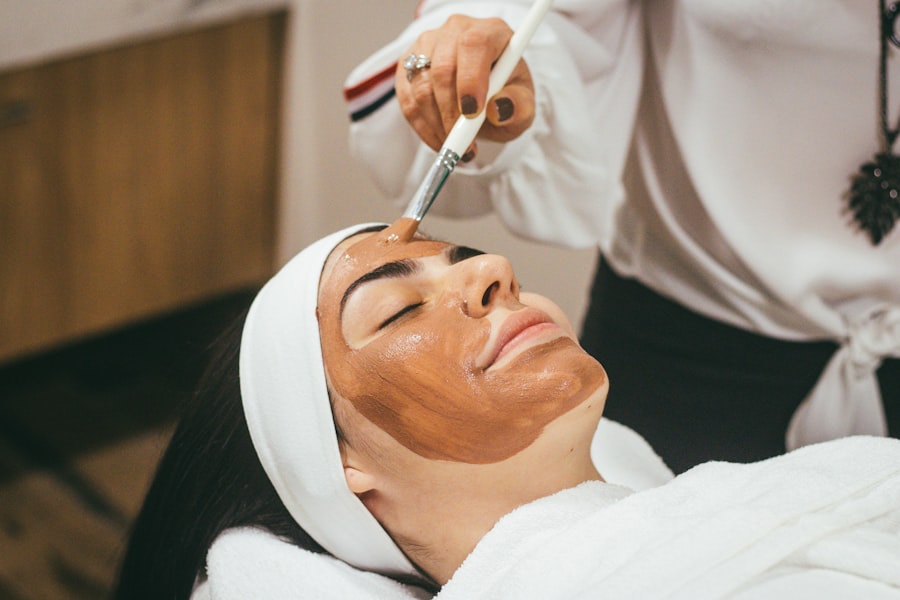
The chemical solution is carefully applied to the face (or targeted areas). You'll feel warmth, tingling, or mild stinging—this is normal and expected. The sensation intensifies briefly as the chemical works, then subsides. The application typically takes 5–10 minutes. Dr. Sneehal monitors the peel closely and may neutralise it if needed.
Immediately After
Skin appears red and may feel tight. Dr. Sneehal applies soothing serums and a gentle moisturiser. You may experience mild swelling (especially around eyes). For medium to deep peels, pain management may be offered.
Chemical Peel Recovery: Timeline and Downtime
Superficial peel: Days 1–2: Light redness, mild warmth. Days 3–5: Subtle flaking (often unnoticeable). Normal activities resume immediately.
Medium peel: Days 1–3: Significant redness, swelling, tightness. Days 3–7: Visible peeling and flaking (can be messy). Avoid outdoor activities, gym, swimming. Full recovery 7–10 days.
Deep peel: Days 1–7: Severe redness, swelling, crusting, and weeping. Days 7–14: Heavy peeling and flaking. Substantial downtime; avoid all sun and strenuous activity. Full recovery 2–4 weeks.
Treatment room at Cherish Derma Clinic, Pune
Post-Peel Care (Critical for Results and Safety)
Post-care directly affects results and recovery. Dr. Sneehal will provide detailed post-peel instructions. General guidelines:
Avoid water and touching the face for the first 12–24 hours (superficial) or 24–48 hours (medium/deep).
Use only prescribed or approved gentle cleansers. Avoid bar soaps, exfoliants, and harsh products.
Apply prescribed moisturisers and serums regularly—keep skin hydrated.
Use SPF 50+ sunscreen daily (even indoors, especially for medium/deep peels) for at least 4 weeks.
Avoid direct sun exposure, tanning beds, and activities causing sweating for 1–2 weeks.
Do NOT pick, peel, or scratch at flaking skin—let it shed naturally.
Avoid makeup, waxing, and other treatments during recovery (typically 1–2 weeks).
Avoid retinoids, vitamin C, and other active ingredients for 1 week post-peel; resume gradually.
Stay hydrated and maintain a healthy diet to support skin healing.
Chemical Peel Results: Timeline and Expectations
Immediate Results (First Week)
Skin appears brighter and smoother immediately after peeling stops. Pores appear smaller, skin feels softer, and tone is more even. These immediate improvements are significant but temporary.
Progressive Results (Weeks 2–8)
Collagen production peaks during this phase. Fine lines soften, acne scars become less noticeable, and pigmentation continues fading. Skin texture and overall quality improve noticeably. This phase delivers the most dramatic long-term results.
Full Results (2–3 Months)
Maximum collagen remodelling is complete. Acne scars show 40–60% improvement; melasma may fade 50–80%; fine lines smooth 20–40%; skin tone and texture transform. Full results from a single peel are visible by 3 months.
Series Results (4–6 Peels Over 4–6 Months)
Cumulative effect is remarkable. Acne scars may improve 70–90%; melasma nearly disappears; fine lines significantly soften; skin quality becomes noticeably youthful and radiant. A peel series delivers results rivalling much more invasive procedures.
How Many Chemical Peels Do You Need?
Superficial Peels
Series of 4–6 peels spaced 2–4 weeks apart recommended. Maintenance peels 1–2 times yearly to sustain results.
Medium Peels
1–3 peels spaced 4–6 weeks apart. Single peel produces visible results; series compounds improvement. Maintenance 1–2 times yearly.
Deep Peels
Typically a one-time treatment (repeated deep peels rarely recommended). Results are substantial and long-lasting; may require no additional peels for years.
Professional Chemical Peels vs. At-Home Peels: Why Dr. Sneehal's Approach Is Superior
At-home chemical peels are drastically weaker than professional treatments. They cannot penetrate deeply, cannot achieve medium or deep peel results, and carry high risk of misapplication. Dr. Sneehal's professional expertise, precision, and post-care guidance ensure safe, effective results at-home peels cannot match.
Possible Side Effects and How to Minimise Them
Expected Side Effects (Temporary, Normal)
Redness (resolves in days to weeks)
Peeling and flaking (resolves in 1–2 weeks)
Mild swelling (resolves in 3–5 days)
Tightness and dryness (managed with moisturisers)
Temporary darkening of pigmented areas (fades as peel completes)
Uncommon Complications (Prevented with Proper Care)
Post-inflammatory hyperpigmentation—more common in darker skin tones; prevented with strict sun protection and appropriate peel selection
Post-inflammatory hypopigmentation—rare; prevented with careful peel depth selection
Infection—rare; prevented with proper cleansing and following post-care instructions
Scarring—rare when performed by experienced professionals like Dr. Sneehal
Who Should Get Chemical Peels?
Chemical peels are suitable for most people seeking skin improvement, but Dr. Sneehal will assess your suitability during consultation. Generally:
Anyone with acne, acne scars, or post-inflammatory marks
Individuals with melasma, sun spots, or pigmentation concerns
People with fine lines, wrinkles, or loss of skin elasticity
Those with dull, tired-looking skin or uneven texture
Individuals seeking anti-ageing treatment without downtime (superficial peels)
Anyone with mild to moderate skin damage who wants dramatic results
Caution: Active skin infections, severe active acne, pregnancy, recent accutane use, or certain medications may contraindicate chemical peels. Dr. Sneehal will discuss your medical history and determine eligibility.
Frequently Asked Questions About Chemical Peels
Will a chemical peel burn my skin?
Professional chemical peels are controlled applications; they do not 'burn' skin in the sense of causing damage. You'll feel warmth and tingling (normal sensation), but Dr. Sneehal monitors the process to ensure safety. At-home peels carry higher burn risk due to lack of professional oversight.
How long is the recovery?
Superficial peels: 3–5 days (minimal downtime). Medium peels: 5–7 days (avoid sun and outdoor activities). Deep peels: 10–14 days or longer (significant downtime). Dr. Sneehal will advise based on your peel depth.
Can I wear makeup after a chemical peel?
Not immediately. Dr. Sneehal will advise when makeup is safe to resume—typically 3–5 days for superficial peels, 7+ days for medium peels. Premature makeup application can irritate healing skin or cause complications.
Will a peel help my acne scars?
Yes. Chemical peels improve atrophic (indented) acne scars by 40–60% or more, especially when combined with other treatments like microneedling or fillers. Severe scars may require multiple treatments or combination therapy.
Are chemical peels permanent?
Peel results last months to years, depending on peel depth and your skin's ageing. Superficial peel results last 3–6 months (maintenance peels recommended). Medium peel results last 1–2 years. Deep peel results can last 5–10+ years. Ongoing sun protection and skincare extend results.
Can I get a chemical peel if I have dark skin?
Yes, absolutely. Dr. Sneehal customises peel type and depth for all skin tones. Darker skin requires careful peel selection (superficial or gentle medium peels preferred) and strict post-peel sun protection to avoid post-inflammatory hyperpigmentation. Professional guidance is essential.
Transform Your Skin with Professional Chemical Peels
Chemical peels are among the most effective, affordable, and versatile skin treatments available. Whether you're dealing with acne scars, melasma, fine lines, or dull skin, a professionally applied peel can deliver dramatic visible results with manageable recovery.
Dr. Sneehal at Cherish Derma Clinic has extensive experience selecting and applying chemical peels tailored to each patient's concerns and skin type. Professional expertise ensures safety, efficacy, and results that at-home treatments cannot achieve.
Ready to improve your skin? Book a consultation with Dr. Sneehal at Cherish Derma Clinic in Pune. Discuss your skin concerns, learn which peel depth is right for you, and begin your journey toward clearer, smoother, more youthful-looking skin.
Share this article
WRITTEN BY
Dr. SNEEHAL
Founder, Cherish Derma Clinic, Pune
Ready to Transform Your Skin?
Book a consultation with Dr. SNEEHAL to discuss personalized treatment options.