Hair Thinning vs Hair Fall: Understanding the Difference & Treatment Options
Hair loss is a common concern affecting millions globally. However, 'hair loss' is an umbrella term covering two distinct conditions: hair thinning and hair fall. Many people use these terms interchangeably, but they are different conditions with different causes and require different treatment approaches. At Cherish Derma Clinic in Pune, Dr. Sneehal specialises in diagnosing and treating both hair thinning and hair fall, helping patients understand which condition they have and which treatment is appropriate.
This guide explains the difference between hair thinning and hair fall, what causes each, how to identify which you have, and what treatment options are available. Understanding the distinction is the first step toward effective treatment.
Understanding the Normal Hair Growth Cycle
Before distinguishing hair thinning from hair fall, it's helpful to understand normal hair growth. Hair has a growth cycle with three phases:
Anagen (Growth Phase): Hair actively grows for 2–7 years. About 85–90% of scalp hair is in this phase at any time.
Catagen (Transition Phase): Hair stops growing and transitions into the resting phase; lasts 2–3 weeks.
Telogen (Resting and Shedding Phase): Hair rests, then sheds naturally. About 10–15% of scalp hair is in this phase. Normal daily shedding is 50–100 hairs.
What Is Hair Fall (Hair Loss)?
Hair fall refers to excessive shedding beyond the normal 50–100 hairs per day. When more than 100–150 hairs shed daily, it indicates hair fall or alopecia. This occurs when hair prematurely enters the telogen (shedding) phase, or when the anagen (growth) phase is shortened.
Hair fall is typically visible: you notice more hair in your brush, shower drain, or on your pillow. If hair fall is significant and persistent, the scalp may become more visible (though the remaining hair maintains normal thickness).
Types of Hair Fall
Telogen Effluvium
Triggered by stress, illness, surgery, or major hormonal changes. Hair prematurely sheds 2–3 months after the trigger. Usually temporary and reversible.
Anagen Effluvium
Hair stops growing and sheds due to severe stress (chemotherapy, extreme illness). Usually reversible once the trigger is removed.
Androgenetic Alopecia (Pattern Hair Loss)
Genetic predisposition to hair follicle sensitivity to DHT (dihydrotestosterone). Causes progressive hair fall and thinning over years. The most common type of hair loss.
What Is Hair Thinning?
Hair thinning refers to a decrease in hair shaft diameter and density. Individual hair strands become thinner, finer, and weaker. The scalp may show through more easily because each hair is thinner, even if shedding is normal.
With hair thinning, you don't necessarily notice excessive hair in your brush or shower. Instead, your hair appears less voluminous, less dense, and perhaps duller or weaker. The overall appearance is less full.
Causes of Hair Thinning
Age: Hair naturally thins with age as hair follicles produce thinner strands.
Genetics: Hereditary hair thinning is common, especially in women.
Hormonal Changes: Menopause, pregnancy, thyroid disorders, and hormonal contraceptives can trigger thinning.
Nutritional Deficiencies: Iron, zinc, protein, and B vitamin deficiencies weaken hair.
Chronic Stress: Prolonged stress can cause telogen effluvium and weaken hair growth.
Medical Conditions: Thyroid disorders, autoimmune conditions, and PCOS can cause thinning.
Medications: Certain medications weaken hair as a side effect.
Harsh Styling: Heat damage, tight hairstyles, and chemical treatments thin hair over time.
Hair Thinning vs Hair Fall: Key Differences
Aspect
Hair Fall
Hair Thinning
Primary Issue
Excessive shedding (>150 hairs/day)
Reduced hair shaft diameter
What You Notice
Hair in brush, shower, pillow
Overall less volume and density
Scalp Visibility
May show through from shedding
Shows through because hair is finer
Hair Texture
Normal thickness, but excessive loss
Noticeably thinner, finer strands
Duration
Acute or chronic
Usually gradual, progressive
Main Causes
Stress, hormones, genetics (DHT), illness
Age, genetics, nutritional deficiency, hormones
Reversibility
Often reversible if cause addressed
May slow but harder to reverse completely
Treatment Approach
Stop shedding, regrow hair
Thicken existing hair, slow thinning
How to Identify Which You Have
Do You Have Hair Fall?
Noticeably more hair in your brush or comb
More hair in your shower drain
Hair on your pillow in the morning
You're shedding significantly more than usual
Sudden increase in hair loss (especially after stress, illness, or major change)
Do You Have Hair Thinning?
Your hair appears less voluminous overall
Individual hairs are noticeably thinner and finer
Your scalp is more visible, but shedding is normal
Your hair feels weaker and breaks more easily
Gradual reduction in hair density over months or years
Your hairstyle doesn't hold volume like it used to
Professional Treatment Options at Cherish Derma Clinic
For Hair Fall
Medications
Minoxidil (topical) and finasteride (oral) are evidence-based treatments for pattern hair loss. Dr. Sneehal can prescribe or recommend these based on your condition.
PRP Therapy
Platelet-rich plasma injected into the scalp stimulates hair growth and reduces shedding. Series of 4–6 treatments typically recommended.
Low-Level Laser Therapy (LLLT)
Laser light stimulates hair follicles and increases blood flow to the scalp. Used as maintenance or complementary therapy.
For Hair Thinning
Nutritional Support
Dr. Sneehal assesses nutritional deficiencies and may recommend supplementation with iron, zinc, protein, or B vitamins to support hair thickness.
Topical Strengthening Treatments
Prescription serums and treatments strengthen hair shafts and promote thickness. Results visible after 4–8 weeks of consistent use.
Combination Therapy
For optimal results, Dr. Sneehal combines treatments: addressing nutritional deficiencies + topical strengthening + lifestyle modifications (stress reduction, gentle styling).
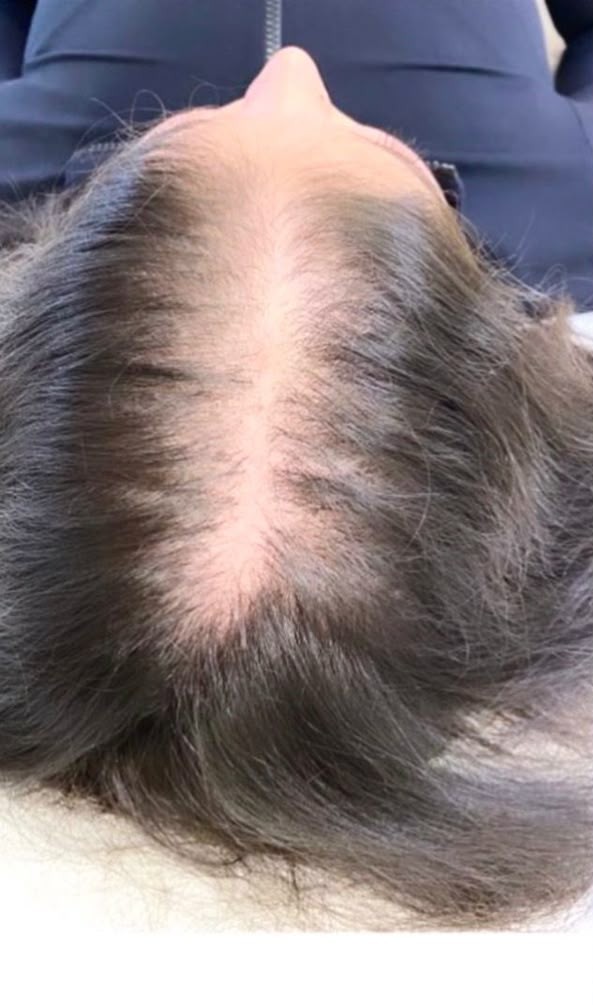
Before
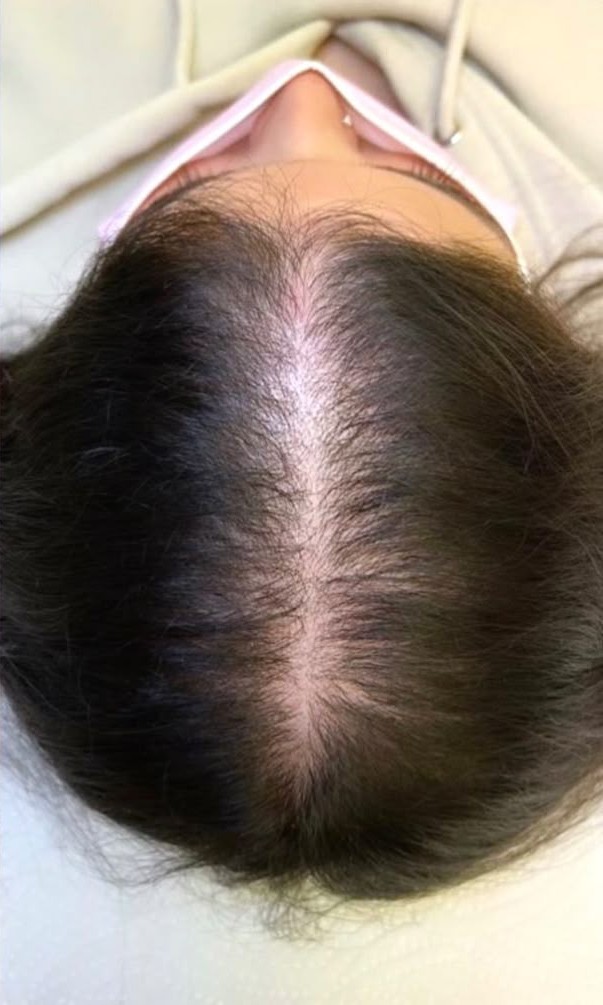
After
Hair treatment results at Cherish Derma Clinic, Pune
Treatment Results and Timeline
Hair Fall Treatment Results
Medications typically show results after 3–4 months of consistent use. PRP results appear after 2–3 months. Full benefits visible after 6–12 months. Stopping treatment usually results in resumption of hair fall.
Hair Thinning Treatment Results
Results vary by cause. Nutritional supplementation may take 3–4 months to show benefits (hair growth cycle). Topical treatments take 4–8 weeks to show thickening. Results are slower than hair fall treatments but often more sustainable.
Preventing Hair Fall and Thinning
Manage stress—stress triggers telogen effluvium and weakens hair
Eat a balanced diet rich in protein, iron, zinc, and B vitamins
Avoid tight hairstyles—reduces tension on hair follicles
Limit heat styling and harsh chemical treatments
Use gentle, pH-balanced hair care products
Get adequate sleep—supports overall health including hair
Stay hydrated—supports hair growth
Manage thyroid and hormonal health—many conditions cause hair loss
Yes. Normal daily shedding ranges from 50–100 hairs per day due to the telogen phase. Beyond 150 hairs daily indicates hair fall.
Can hair thinning be reversed?
Hair thinning can be slowed and sometimes partially reversed if caused by nutritional deficiency or manageable conditions. Age-related or genetic thinning may slow but rarely reverses completely.
Is hair fall always permanent?
Not necessarily. Telogen effluvium (stress-triggered) is usually temporary and reversible once the trigger is addressed. Pattern hair loss is more persistent and requires ongoing treatment.
Which condition is more serious?
Neither is 'more serious' medically, though both affect quality of life and confidence. Hair fall is more acute and noticeable; hair thinning is gradual. Both are treatable with professional help.
Should I treat hair fall or thinning at home?
Professional evaluation is recommended to identify your condition and appropriate treatment. Over-the-counter products are often ineffective. Dr. Sneehal can provide evidence-based prescriptions and therapies.
Understand Your Hair Loss: Professional Diagnosis and Treatment
Hair thinning and hair fall are distinct conditions requiring different approaches. Understanding which you have is the first step toward effective treatment.
Dr. Sneehal at Cherish Derma Clinic has extensive experience diagnosing and treating both conditions. She'll assess your scalp, identify whether you have hair fall or thinning, determine the underlying cause, and recommend evidence-based treatment.
Ready to address your hair concerns? Book a consultation with Dr. Sneehal at Cherish Derma Clinic in Pune. Get clarity on your condition and begin treatment toward healthier, fuller hair.
Share this article
WRITTEN BY
Dr. SNEEHAL
Founder, Cherish Derma Clinic, Pune
Ready to Transform Your Skin?
Book a consultation with Dr. SNEEHAL to discuss personalized treatment options.