PRF vs PRP for Hair Loss: Understanding the Latest Hair Regeneration Treatments
Hair loss affects millions globally, and while traditional treatments like minoxidil and finasteride are effective, many seek advanced regenerative options. Two of the most promising treatments are PRP (platelet-rich plasma) and PRF (platelet-rich fibrin)—both derived from your own blood, both designed to stimulate hair growth and strengthen hair follicles. Yet they are not identical. At Cherish Derma Clinic in Pune, Dr. Sneehal specialises in both PRF and PRP therapies for hair loss, and she helps patients understand which treatment is appropriate for their condition.
This guide compares PRF and PRP for hair loss: how each works, key differences, effectiveness, cost, results timeline, and which patients benefit most from each. Understanding these treatments is essential for making an informed choice.
What Is PRP Therapy for Hair Loss?
PRP stands for platelet-rich plasma. It is derived from your own blood. Blood is drawn (typically 10–20 mL), then centrifuged (spun at high speed) to concentrate platelets and growth factors. The resulting plasma—which contains a higher concentration of platelets than normal blood—is injected into the scalp at hair follicles.
Platelets release growth factors (PDGF, TGF-β, FGF, and others) that stimulate hair follicles, extend the growth phase, strengthen hair shafts, and improve blood flow to the scalp. This is why PRP is considered regenerative: it uses your body's own healing factors to stimulate hair growth.
How PRP Works
When PRP is injected into hair follicles, growth factors activate dormant follicles, extend the anagen (growth) phase, and stimulate cell proliferation in the hair bulb. Results: thicker, stronger hair; reduced shedding; improved hair density. However, results depend on follicle viability—dead or severely atrophied follicles may not respond well.
PRP Advantages
Uses your own blood—no risk of infection or allergic reaction
Minimally invasive outpatient procedure
No downtime; can return to normal activities same day
No synthetic substances; natural healing process
Multiple sessions improve results cumulatively
Safe for long-term use
What Is PRF Therapy for Hair Loss?
PRF stands for platelet-rich fibrin. Like PRP, it is derived from your own blood. Blood is drawn and centrifuged, but PRF uses a different centrifugation protocol than PRP. The result is a fibrin matrix—a gel-like substance rich in platelets, white blood cells, and fibrin—instead of liquid plasma.
The fibrin matrix acts as a scaffold for growth factors, allowing them to be released slowly over time (days to weeks) rather than rapidly as in PRP. This prolonged release means sustained stimulation of hair follicles and potentially longer-lasting results. PRF can be injected or placed directly at follicles.
How PRF Works
The fibrin matrix in PRF serves two purposes: it delivers growth factors directly to hair follicles, and it slowly releases factors over time. This sustained release stimulates follicles more continuously than PRP's rapid release. Additionally, PRF contains white blood cells and fibrin, which may provide anti-inflammatory benefits and support tissue healing. The result: potentially stronger, more sustained hair growth stimulation.
PRF Advantages
Slower, sustained release of growth factors—potentially more effective stimulation
Contains white blood cells and fibrin—enhanced anti-inflammatory and healing properties
Potentially longer-lasting results than PRP (weeks vs. days)
Uses your own blood—no synthetic substances
Minimally invasive; same-day return to normal activities
Cumulative results improve with multiple sessions
May be combined with other treatments (microneedling, topical therapies)
PRF vs PRP: Key Differences
Aspect
PRP
PRF
What It Is
Liquid plasma concentrated in platelets and growth factors
Gel-like fibrin matrix containing platelets, fibrin, white blood cells
Centrifugation
High-speed centrifugation (standard protocol)
Lower-speed centrifugation (special protocol)
Growth Factor Release
Rapid release (hours to days)
Sustained release (days to weeks)
White Blood Cells
Minimal
Significant; enhanced healing properties
Fibrin Structure
Minimal
Prominent scaffold for sustained factor delivery
Application
Injected as liquid into follicles
Injected as gel or placed directly at follicles
Results Timeline
Visible at 2–3 months; peaks at 4–6 months
Visible at 2–3 months; may sustain longer
Duration of Effect
3–6 months per session
Potentially 6–9 months per session (some evidence)
Number of Sessions
Typically 4–6 sessions (once monthly)
Typically 3–4 sessions (once monthly)
Cost
Lower per session (~₹10,000–15,000)
Higher per session (~₹15,000–25,000)
Best For
Moderate hair loss; maintenance
Advanced hair loss; seeking sustained effect
Downtime
None
None
Effectiveness: Which Works Better?
Both PRP and PRF show clinical evidence of effectiveness for hair loss. Studies demonstrate that both stimulate hair growth, reduce shedding, and improve hair density. However, some recent research suggests PRF may have a slight edge due to sustained growth factor release and the presence of white blood cells.
That said, effectiveness varies by individual. Factors influencing success include the degree of hair loss, age of the patient, overall scalp health, and whether the hair follicles are still viable. Neither PRP nor PRF can regrow hair from completely dead follicles.
Dr. Sneehal at Cherish Derma assesses your hair loss severity and follicle viability (via scalp examination) to recommend whether PRP, PRF, or a combination approach is best for you.
Results Timeline and What to Expect
PRP Treatment Timeline
Weeks 1–2: Scalp may feel tender or itchy; minor redness resolves within hours to days.
Weeks 2–4: Growth factors begin stimulating follicles; no visible change yet.
Weeks 6–8: New hair may start growing; subtle increase in hair thickness.
Month 3: Visible improvement in hair density and reduced shedding.
Months 6–9: Sustained effect; results may last longer than PRP due to fibrin matrix.
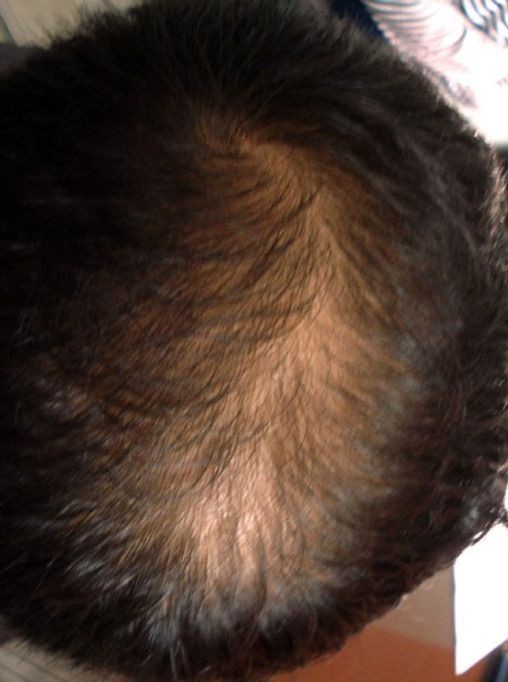
Before
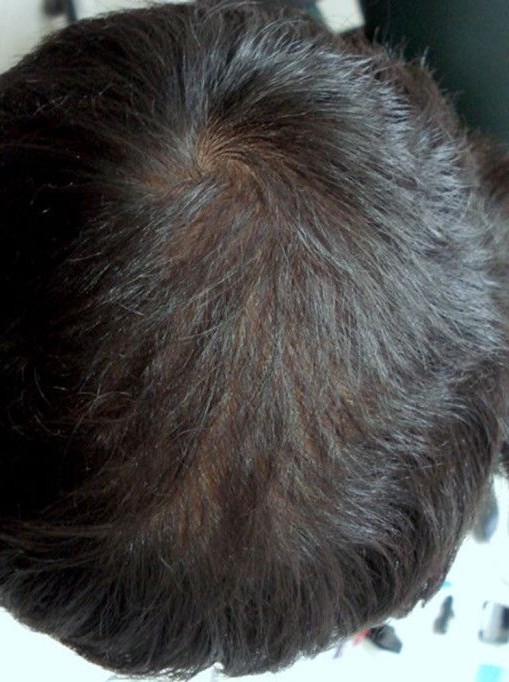
After
Hair regrowth results at Cherish Derma Clinic, Pune
Cost Comparison
PRP typically costs ₹10,000–15,000 per session. A complete course (4–6 sessions) costs ₹40,000–90,000.
PRF typically costs ₹15,000–25,000 per session. A complete course (3–4 sessions) costs ₹45,000–100,000.
PRF is more expensive per session due to the specialized centrifugation protocol and longer-lasting results. However, fewer sessions may be needed to achieve results.
Dr. Sneehal at Cherish Derma Clinic can provide exact pricing based on your treatment plan.
Which Should You Choose: PRF or PRP?
Choose PRP If:
You have mild to moderate hair loss
You want to maintain existing hair
You prefer lower cost per session
You're seeking maintenance therapy
You want faster visible results
Choose PRF If:
You have advanced or progressive hair loss
You want sustained, long-lasting effects
You prefer fewer total sessions
You value the anti-inflammatory and healing benefits of white blood cells
You're willing to invest more per session for potentially better outcomes
Consider Combination Therapy:
Dr. Sneehal often recommends combining PRF or PRP with other treatments for optimal results. Common combinations include: PRF/PRP + minoxidil or finasteride, PRF/PRP + microneedling, or PRF/PRP + nutritional supplementation. The synergistic effect of multiple treatments often produces better results than a single therapy.
Dr. Sneehal discussing treatment options with patients at Cherish Derma Clinic
Frequently Asked Questions
Is PRP or PRF safer?
Both are extremely safe. Since both use your own blood, there is no risk of infection or allergic reaction. Minor bruising or temporary scalp tenderness can occur but resolves quickly.
How many sessions do I need?
Typically 3–4 sessions for PRF or 4–6 sessions for PRP, spaced 4–6 weeks apart. Dr. Sneehal will recommend a protocol based on your hair loss severity.
Do results last permanently?
Results last several months (3–9 months depending on treatment). Maintenance sessions every 6–12 months are recommended to sustain benefits.
Can PRF or PRP be combined with medications?
Yes. Combining PRF/PRP with minoxidil or finasteride often produces superior results. Dr. Sneehal will advise on the best combination for your case.
Who is not a good candidate?
People with certain blood disorders, active scalp infections, or severe alopecia with dead follicles may not be good candidates. Dr. Sneehal will assess your suitability during consultation.
Choose Advanced Hair Regeneration with Dr. Sneehal
PRF and PRP are powerful regenerative treatments for hair loss, backed by growing clinical evidence. Both work, but they differ in mechanism, release profile, cost, and results timeline. Choosing between them requires professional assessment of your hair loss type, severity, scalp health, and goals.
Dr. Sneehal at Cherish Derma Clinic has extensive experience with both PRF and PRP therapies. She'll examine your scalp, assess hair loss severity, explain your options clearly, and recommend whether PRP, PRF, or combination therapy is best for you.
Stop losing hair. Start regenerating. Book a consultation with Dr. Sneehal at Cherish Derma Clinic, Pune. Get personalised treatment recommendations and begin your path to thicker, fuller hair.
Share this article
WRITTEN BY
Dr. SNEEHAL
Founder, Cherish Derma Clinic, Pune
Ready to Transform Your Skin?
Book a consultation with Dr. SNEEHAL to discuss personalized treatment options.