Melasma: Why It Happens & How to Treat Stubborn Facial Pigmentation
Melasma is one of the most frustrating pigmentation conditions—symmetrical patches of brown or grey-brown discolouration appearing on the face, often triggered by hormones, sun exposure, or genetics. For many people (especially women), melasma feels like a permanent condition that no cream can fix. But melasma is treatable. Professional intervention works far better than OTC products, and early treatment produces superior outcomes.
At Cherish Derma Clinic in Pune, Dr. Sneehal specialises in melasma treatment and has helped numerous patients achieve significant improvement. This guide explains what melasma is, why it develops, why OTC products fail, and the most effective professional treatment options available at Cherish Derma Clinic.
What Is Melasma?
Melasma is a common pigmentation disorder characterised by symmetric patches of dark brown, tan, or grey-brown discolouration on the face. It's also called chloasma or 'mask of pregnancy' (because it often develops during pregnancy, though it can occur anytime).
Melasma appears most commonly on the cheeks, forehead, bridge of nose, upper lip, and chin. It's flat (not raised or textured) and usually affects both sides of the face symmetrically. Melasma is more common in women, darker skin types, and people living in sun-exposed climates—like Pune.
Unlike acne scars or age spots, melasma is chronic and requires ongoing management to prevent recurrence. However, professional treatment combined with sun protection produces lasting improvement.
Why Does Melasma Develop?
Melasma develops when melanocytes (pigment-producing cells) overproduce melanin in response to triggers. Multiple factors contribute:
Hormonal Changes
Pregnancy, oral contraceptive use, and hormone replacement therapy are the most common triggers. Hormonal fluctuations stimulate melanin production. This is why melasma is 9x more common in women than men and often appears during reproductive years.
Sun Exposure
UV radiation is a major trigger. Even brief, incidental sun exposure exacerbates melasma. This is why sun protection is non-negotiable for preventing recurrence—often more important than treatment itself.
Genetics and Ethnicity
Certain ethnicities are at higher risk. South Asian, Middle Eastern, Mediterranean, and African populations have higher melasma prevalence. If parents have melasma, risk increases significantly. Genetic predisposition makes some people more susceptible regardless of triggers.
Medications
Some medications (certain antibiotics, anti-seizure drugs) increase photosensitivity, triggering melasma with sun exposure. Always discuss medication side effects with your healthcare provider.
Skincare Products
Irritating or overly aggressive skincare can trigger melasma or worsen existing patches. Inflammatory response stimulates melanin production.
Why OTC Products Fail on Melasma
Melasma Is Deep
OTC lightening creams contain low concentrations of ingredients (hydroquinone, kojic acid, vitamin C, niacinamide) that only penetrate the surface. Melasma often involves deep melanin deposition in multiple skin layers. Surface-level treatment can't reach it.
Melasma Requires Multi-Mechanism Approach
OTC products typically use one mechanism (blocking melanin production). Professional treatment combines approaches: laser energy destroys melanin, peels exfoliate pigmented layers, and prescription creams prevent recurrence. Multi-mechanism approach works far better than single-ingredient products.
Melasma Is Stubborn
Melasma doesn't respond the way other pigmentation does. Even prescription-strength topical treatments alone rarely produce satisfactory results. Combination professional treatment is typically necessary.
Without Sun Protection, Melasma Recurs
OTC products fail partly because they're often used without adequate sun protection. Professional treatment paired with strict SPF 50+ sunscreen produces lasting results. OTC products + inadequate sun protection = failure.
Professional Melasma Treatment Options at Cherish Derma Clinic
Laser Treatment
Dr. Sneehal uses advanced lasers (Q-switched Nd:YAG, picosecond lasers) targeting melanin directly. Laser energy penetrates deep skin layers, destroying melanin while stimulating collagen remodelling. Most effective for melasma. Results visible after 4–6 sessions spaced 4–6 weeks apart. 60–80% improvement typical.
Chemical Peels
Dr. Sneehal customises peel strength and frequency based on skin type and melasma depth. Peels exfoliate pigmented skin layers while stimulating collagen. Series of 4–6 peels recommended. Often combined with other treatments for enhanced results.
Microneedling with Depigmenting Agents
Dr. Sneehal uses microneedling to enhance penetration of high-strength depigmenting serums (prescription-grade lightening agents). Combined approach works synergistically. Multiple sessions (6–8) recommended.
Prescription Creams
Dr. Sneehal prescribes high-potency lightening creams (combination formulations with hydroquinone, tretinoin, and other agents) far stronger than OTC options. Used as adjunct to professional treatments and for maintenance.
Combination Approach
For stubborn melasma, Dr. Sneehal combines treatments: laser followed by chemical peels, or professional treatments with prescription maintenance creams. Combination approach addresses melasma from multiple angles, producing optimal results.
Laser treatment room at Cherish Derma Clinic, Pune
Treatment Expectations and Realistic Outcomes
How Much Improvement Can I Expect?
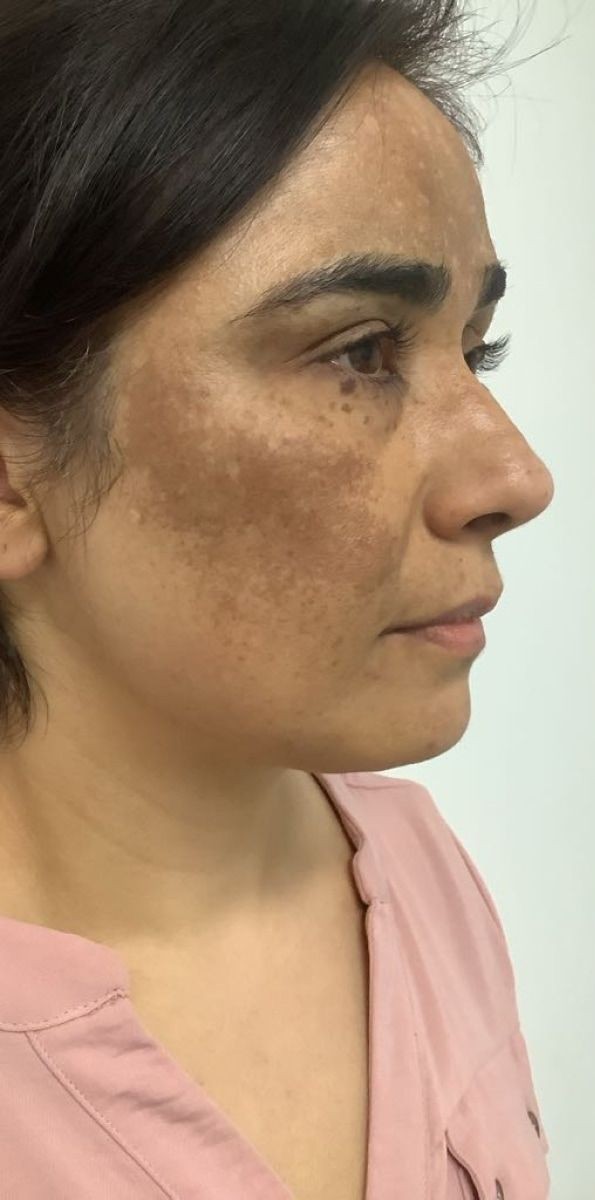
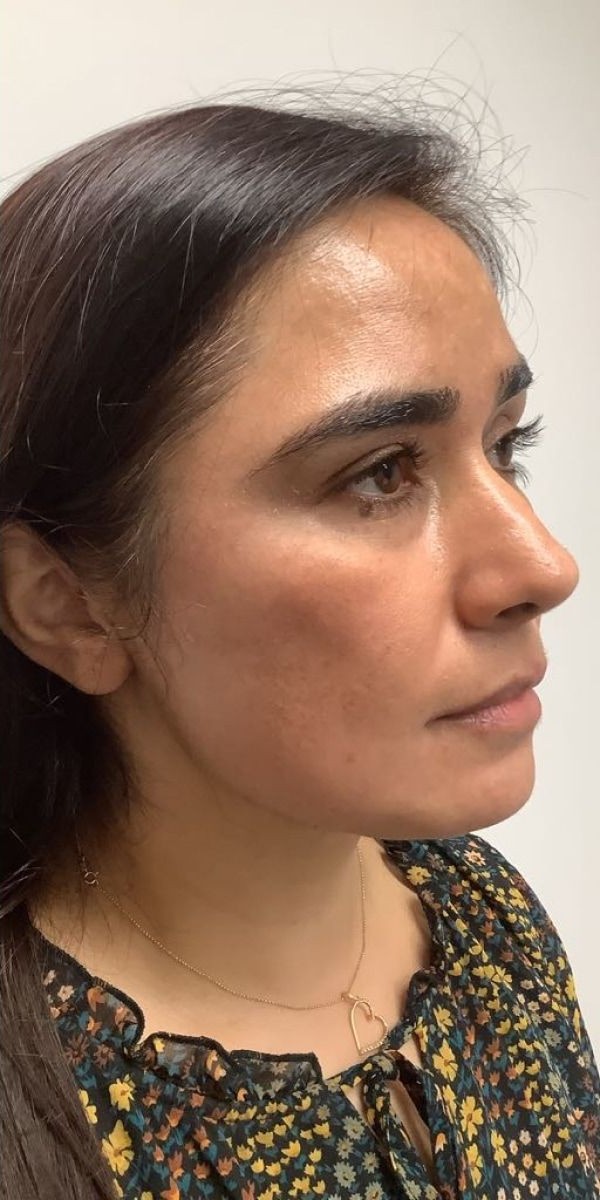
Melasma improvement varies by depth, ethnicity, and treatment method. With professional treatment: 60–80% improvement typical. Complete clearance occurs in some patients but shouldn't be expected. Realistic expectation: significant lightening making melasma far less noticeable.
How Long Until Results Appear?
Results take time. Laser: improvement visible within 4–8 weeks per session; cumulative improvement over 6+ months. Peels: gradual improvement over weeks. Patience is essential—melasma improvement is slow but steady.
How Many Sessions Are Needed?
Most melasma requires 6–12 sessions depending on depth and treatment type. Stubborn cases may require ongoing maintenance sessions every 6–12 months. Dr. Sneehal assesses progress at each session and adjusts the plan.
Before
After
Pigmentation treatment results at Cherish Derma Clinic, Pune
Will Melasma Return?
Without sun protection, melasma can recur or worsen. This is why SPF 50+ daily sunscreen is non-negotiable. With strict sun protection, results last years. Maintenance sessions every 6–12 months sustain improvement long-term.
Melasma Prevention and Long-Term Management
Once melasma improves with professional treatment, maintenance is crucial:
Use SPF 50+ sunscreen daily—even on cloudy days and indoors (UV penetrates windows).
Reapply sunscreen every 2 hours, or after swimming/sweating.
Wear hats, sunglasses, and UV-protective clothing outdoors.
Avoid peak sun exposure (11 AM – 3 PM) when possible.
Use prescribed maintenance creams as directed by Dr. Sneehal.
Schedule maintenance laser or peel sessions every 6–12 months.
Avoid irritating skincare; use gentle, non-inflammatory products.
Consider discontinuing hormonal birth control if contributing to melasma (discuss with doctor).
If pregnant and developing melasma, treatment can often wait until after pregnancy; focus on sun protection during pregnancy.
Frequently Asked Questions
Is melasma permanent?
Melasma is chronic but treatable. With professional treatment and sun protection, significant improvement is achievable. However, predisposition remains, so maintenance is important. Not permanent, but lifelong management often necessary.
Is melasma dangerous?
Melasma is purely cosmetic—not dangerous or indicative of skin cancer. However, the sun exposure that triggers melasma increases skin cancer risk, so sun protection protects against both melasma and malignancy.
Can I treat melasma while pregnant?
Pregnancy-triggered melasma often improves after delivery. Most professionals recommend postponing aggressive treatment during pregnancy, focusing instead on sun protection. However, Dr. Sneehal can advise on safe treatment options. Always discuss with your obstetrician.
Is melasma treatment painful?
Laser produces mild pricking or warm sensations but not pain. Peels cause mild stinging. Most people tolerate treatment well. Dr. Sneehal can apply numbing cream if needed.
How long is recovery?
Laser: minimal downtime; redness for a few hours. Peels: light peeling for 3–5 days; mild redness. Most return to normal activities immediately or within 1–2 days.
Can darker skin tones be treated safely?
Yes, but expertise matters. Certain laser wavelengths and peel concentrations are preferred for darker skin to minimise post-inflammatory hyperpigmentation. Dr. Sneehal has experience treating all skin types safely.
Don't Live with Melasma: Professional Treatment Works
Melasma is frustrating but treatable. With professional intervention at Cherish Derma Clinic, significant improvement is achievable. Dr. Sneehal has helped numerous Pune residents overcome melasma and restore confidence in their appearance.
If you've tried OTC products without success, professional treatment is your next step. If you're just developing melasma, early intervention prevents progression and produces better outcomes. If you're pregnant or considering pregnancy, discuss melasma risk with Dr. Sneehal now.
Book a consultation with Dr. Sneehal at Cherish Derma Clinic in Pune. She'll assess your melasma, discuss realistic outcomes, recommend a customised treatment plan, and guide you toward lasting improvement. Clearer, more even skin is possible.
Share this article
WRITTEN BY
Dr. SNEEHAL
Founder, Cherish Derma Clinic, Pune
Ready to Transform Your Skin?
Book a consultation with Dr. SNEEHAL to discuss personalized treatment options.