Pigmentation on the Face: Causes, Types & Treatment Options
Facial pigmentation is one of the most common skin concerns patients bring to Cherish Derma Clinic. Whether it's dark spots from sun exposure, melasma triggered by hormones, or post-acne marks lingering after breakouts—uneven skin tone affects how people feel about their appearance and confidence.
At Cherish Derma Clinic in Pune, Dr. Sneehal works with patients to diagnose the underlying cause of their pigmentation and recommend targeted treatment options. Many people assume pigmentation is permanent, but modern treatment can significantly reduce appearance—sometimes eliminating it entirely. This guide covers what causes facial pigmentation, different pigmentation types, why professional treatment matters, and the most effective options available at Cherish Derma Clinic.
What Is Facial Pigmentation?
Pigmentation refers to uneven colour in the skin caused by overproduction of melanin—the pigment that gives skin its colour. When melanin distributes unevenly, darker patches or spots appear, creating an uneven complexion.
Why does this happen? Melanin production is controlled by specialised cells called melanocytes. When these cells are stimulated by triggers (sun exposure, hormones, inflammation, genetics), they overproduce melanin in specific areas, creating visible pigmentation.
Main Causes of Facial Pigmentation
Sun Exposure and UV Damage
Chronic sun exposure is the leading cause of facial pigmentation. UV rays stimulate melanocytes to produce more melanin as a protective response. Over time, repeated sun exposure causes melanin to accumulate unevenly, creating dark spots, freckles, and uneven tone. This is why pigmentation typically appears on sun-exposed areas—face, neck, décolletage, hands.
Hormonal Changes
Melasma, often called chloasma or 'mask of pregnancy,' develops when hormonal shifts trigger excessive melanin production. Pregnancy, hormonal birth control, and hormone replacement therapy can trigger melasma. It's more common in women with darker skin types and those in sun-exposed climates like Pune.
Post-Inflammatory Hyperpigmentation (PIH)
After acne, eczema, psoriasis, or other skin inflammation, melanocytes may overproduce melanin during healing, leaving dark marks or patches. PIH is especially noticeable in darker skin tones and can persist for months without proper treatment.
Genetics and Ethnicity
Some people are genetically predisposed to pigmentation disorders. Certain ethnicities (South Asian, Mediterranean, Middle Eastern, African) are at higher risk for melasma and other pigmentation conditions.
Medications and Cosmetics
Some medications (antibiotics, antimalarials, chemotherapy agents) can trigger photosensitivity, leading to pigmentation with sun exposure. Certain skincare products may also cause irritation, leading to post-inflammatory hyperpigmentation.
Types of Facial Pigmentation: What You Might Be Seeing
Solar Lentigines (Age Spots or Sun Spots)
Flat, tan or brown spots appearing on sun-exposed areas. They develop gradually over years of sun exposure. Completely benign but cosmetically bothersome. Solar lentigines respond well to professional treatment at Cherish Derma Clinic.
Melasma
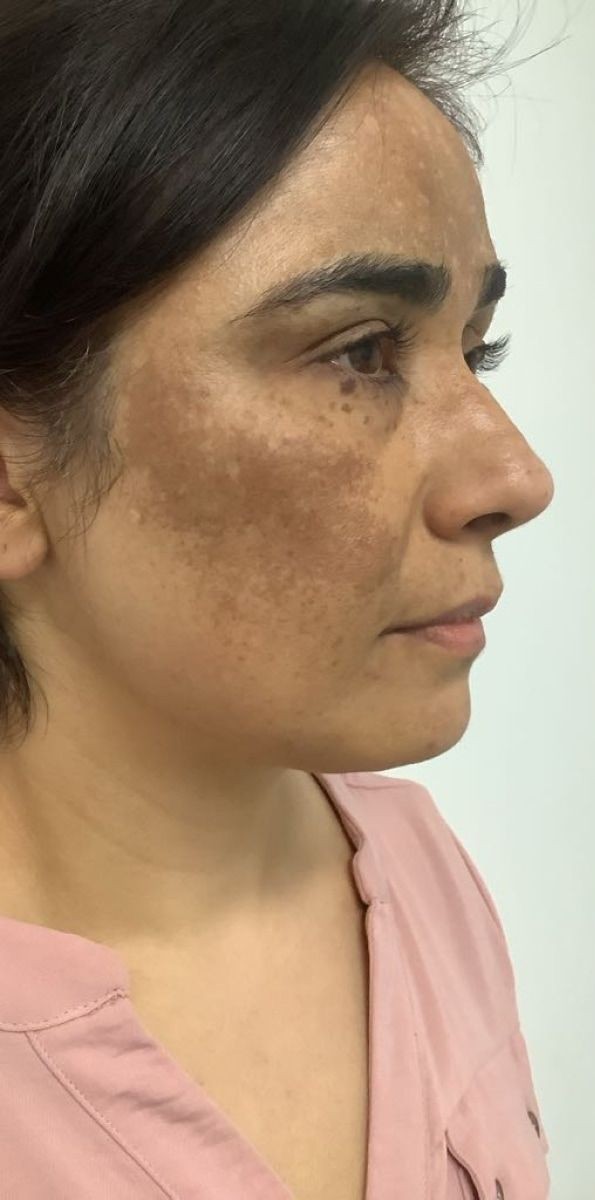
Symmetric patches of brown to grey-brown discolouration, usually on cheeks, forehead, bridge of nose, and upper lip. More common in women, darker skin types, and those with family history. Melasma is stubborn but treatable with proper protocol.
Post-Acne Marks (Post-Inflammatory Hyperpigmentation)
Dark marks left after acne heals, especially in darker skin tones. Unlike acne scars (which are textured), PIH is flat discolouration. PIH often fades over time but responds faster to professional treatment.
Freckles
Small, flat spots, usually appearing in fair or light skin types. Hereditary and triggered by sun exposure. Freckles are harmless and some people embrace them, but if you want them reduced, treatment options exist.
Dark Circles or Periorbital Pigmentation
Pigmentation around the eyes due to genetics, thin under-eye skin, or sun exposure. Often mistaken for tiredness, this pigmentation is distinct and can be treated.
Why Professional Treatment Matters
OTC Products Are Limited
Over-the-counter creams and serums often contain skin-lightening agents (kojic acid, vitamin C, niacinamide) but at low concentrations. They may reduce mild pigmentation over months, but stubborn melasma, deep sun spots, and post-acne marks rarely respond to OTC alone.
Dr. Sneehal's Expert Assessment
At Cherish Derma Clinic, Dr. Sneehal assesses pigmentation type, depth, and underlying causes. Different pigmentation types require different approaches—melasma needs different treatment than post-acne marks. Professional diagnosis ensures the right treatment is recommended.
Professional Treatments Are Stronger and Faster
Professional-grade treatments (laser, chemical peels, microneedling) penetrate deeper, work faster, and produce results OTC products cannot match. Results often visible within 3–6 sessions instead of months of home care.
Pigmentation Treatment Options Available at Cherish Derma Clinic
Laser Treatment
Dr. Sneehal uses advanced lasers (Q-switched Nd:YAG, picosecond lasers) targeting melanin directly. Laser energy breaks up pigment particles, which the body then eliminates naturally. Most effective for sun spots, freckles, and melasma. Results visible after 3–6 sessions spaced 4–6 weeks apart. Minimal downtime; some redness for a few hours after.
Chemical Peels
Dr. Sneehal customises chemical peel strength based on pigmentation type and skin type. Peels work by exfoliating the top skin layer where pigment concentrates, revealing clearer skin underneath. Effective for mild to moderate pigmentation. Series of 4–6 peels recommended for best results.
Microneedling with Topical Agents
Microneedling creates micro-channels in skin, enhancing penetration of lightening serums and promoting collagen remodelling. Dr. Sneehal often combines microneedling with depigmenting agents for stubborn pigmentation, especially post-acne marks.
Prescription-Strength Creams
For mild pigmentation or maintenance after procedures, Dr. Sneehal prescribes high-potency lightening creams (hydroquinone, tretinoin, combination formulations) far stronger than OTC options. These work best as adjunct to professional treatments.
Combination Approach
For stubborn melasma or severe pigmentation, Dr. Sneehal often combines treatments—laser followed by chemical peels, or professional treatments with prescription maintenance creams—for optimal results.
Advanced laser treatment room at Cherish Derma Clinic, Pune
Treatment Expectations and Realistic Outcomes
How Quickly Will I See Results?
Results vary by pigmentation type and treatment method. Laser and peels show improvement within 2–4 weeks; melasma often requires 6–12 weeks of consistent treatment. Post-acne marks improve faster than deeply entrenched melasma.
How Many Sessions Are Needed?
Most people need 3–8 sessions spaced 4–6 weeks apart. Stubborn melasma may require ongoing maintenance sessions every 3–6 months. Dr. Sneehal assesses progress at each session and adjusts the plan accordingly.
How Much Improvement Can I Expect?
Sun spots and freckles: 70–90% improvement common; many clear completely.
Post-acne pigmentation: 70–90% improvement; often responds well.
Individual results vary based on pigmentation depth, skin type, and adherence to aftercare.
Before
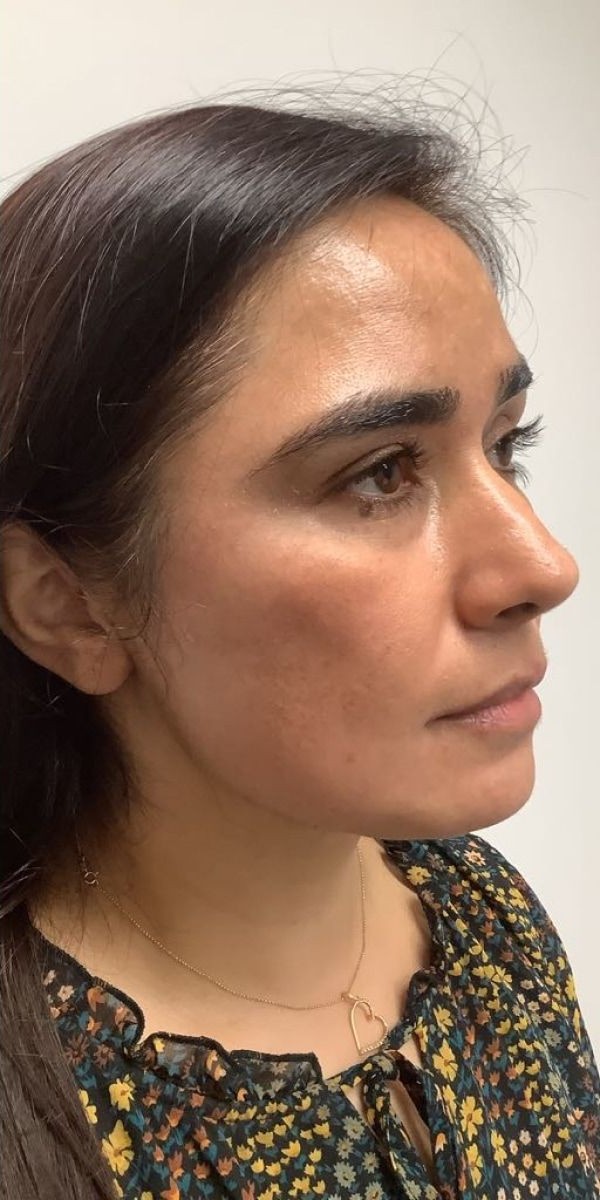
After
Pigmentation treatment results at Cherish Derma Clinic, Pune
Will Pigmentation Return?
Without sun protection, pigmentation can recur. Dr. Sneehal emphasizes daily SPF 50+ sunscreen—this is non-negotiable for preventing recurrence. With consistent sun protection, results last years. Maintenance sessions every 6–12 months can sustain results long-term.
Aftercare and Prevention
Use SPF 50+ sunscreen daily—this is the most important step.
Avoid sun exposure for 48 hours after treatment if possible.
Skip intense exercise for 24–48 hours (sweating can irritate treated skin).
Use gentle cleanser and moisturiser for one week post-treatment.
Avoid active skincare ingredients (retinol, vitamin C) for 48 hours.
Wear hats and sunglasses outdoors to minimise sun exposure.
Skip makeup for 24 hours after laser or chemical peel (if skin is irritated).
Follow Dr. Sneehal's specific aftercare instructions—they vary by treatment type.
Frequently Asked Questions
Is pigmentation treatment safe?
Yes. Modern treatments (laser, peels, microneedling) are FDA-approved and safe when performed by qualified professionals. Dr. Sneehal performs thorough assessment before treatment to ensure safety for your skin type.
Does treatment hurt?
Laser and peels produce mild discomfort (warm, snapping sensation) but not painful. Most people tolerate treatment well. Dr. Sneehal can discuss comfort options if you're concerned.
Is there downtime?
Laser: Minimal. Some redness for a few hours; most return to normal activities immediately. Chemical peel: Light peeling for 3–5 days; skip intense exercise. Microneedling: Mild redness for 24 hours.
Can I treat pigmentation on darker skin tones?
Yes, but approach differs. Dr. Sneehal has expertise treating darker skin safely—certain lasers and peel strengths are preferred for darker skin to avoid complications. Always seek providers experienced with your skin tone.
What if OTC treatments haven't worked?
Professional treatment is your next step. If OTC products haven't worked after 3–4 months, the pigmentation likely requires professional intervention. Dr. Sneehal can identify why OTC failed and recommend appropriate professional treatment.
Can I treat melasma permanently?
Melasma can improve significantly but may require maintenance. Strict sun protection and periodic treatment sessions maintain results. Dr. Sneehal creates a long-term management plan tailored to your pigmentation.
Take Control of Your Skin: Professional Pigmentation Treatment Awaits
Facial pigmentation is treatable. Whether you're bothered by sun spots, melasma, or post-acne marks, professional treatment at Cherish Derma Clinic can help. Dr. Sneehal has helped numerous Pune patients achieve clearer, more even-toned skin through targeted treatment protocols and expert care.
Don't settle for uneven skin tone or rely on ineffective OTC products. Book a consultation with Dr. Sneehal at Cherish Derma Clinic. She'll assess your pigmentation, discuss realistic outcomes, and design a treatment plan tailored to your concerns and skin type.
Ready to restore confidence in your complexion? Contact Cherish Derma Clinic in Pune today to schedule your consultation with Dr. Sneehal. Clearer, more even-toned skin is within reach.
Share this article
WRITTEN BY
Dr. SNEEHAL
Founder, Cherish Derma Clinic, Pune
Ready to Transform Your Skin?
Book a consultation with Dr. SNEEHAL to discuss personalized treatment options.